Aesthetic medicine requires restraint.
A single-practitioner practice in Grand Rapids. The same person sees you every visit.
The practitioner
Claire Rivard came to aesthetics from dermatology, and kept the habits: assess first, treat conservatively, document everything, and revisit rather than overcorrect. Most of her practice is repeat patients seen twice a year.

She will decline treatment when the request doesn't match the anatomy, and says so plainly. That's the part patients tend to remember, and it is the reason most new bookings arrive by referral rather than advertising.
How an appointment runs
Forty-five minutes. We start with what you have noticed rather than what we could offer. Standardised photographs are taken, a written plan follows, and the plan sometimes recommends waiting or doing nothing at all.
There is no treatment coordinator and no package to be walked through. You will speak to the person who would perform the treatment, which is the only way a conservative recommendation survives contact with a sales process.
The room
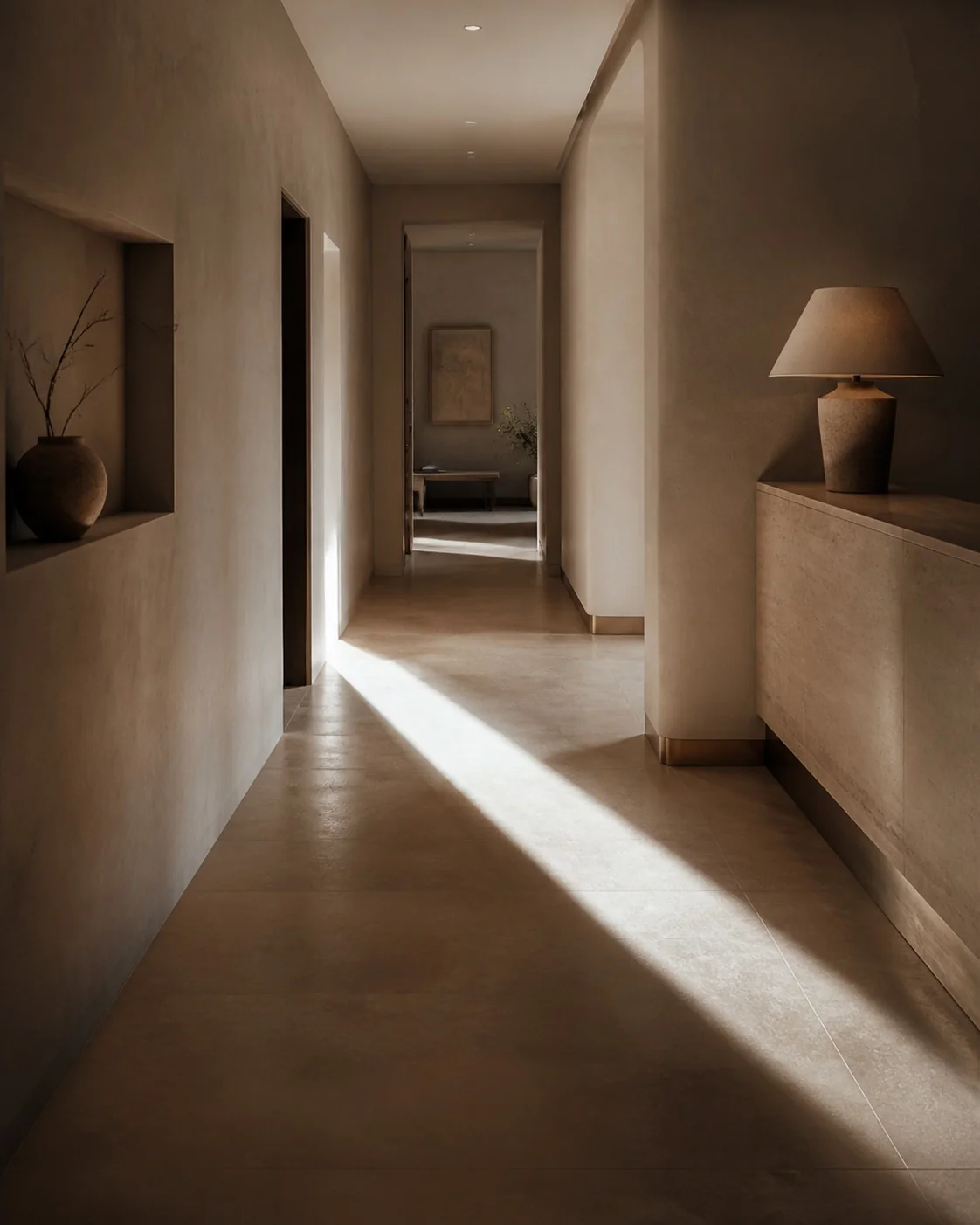
One treatment room, one practitioner, and a schedule built around forty-five minute appointments rather than twenty. Fewer patients per day is a deliberate constraint, not a stage of growth we intend to pass through.
Standards of care
- Medical oversight on every plan, including the ones that involve no treatment.
- Evidence-led treatment at the doses the literature supports, and a plain statement when evidence is thin.
- Individual assessment. No menu pricing on anatomy.
- Realistic outcomes, including the likely result, the range around it, and what happens if you do nothing.
- Continuity of care, with standardised photography kept over time.